Used Car Warranties: What Every Buyer Should Know
Posted Tuesday, Mar 10, 2026
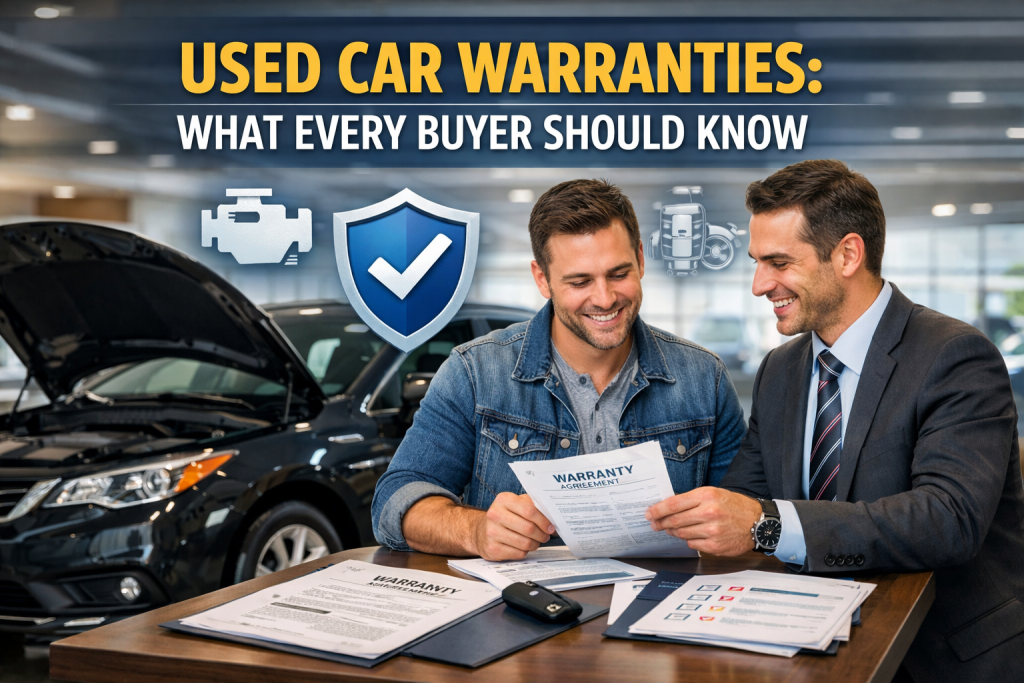
Purchasing a used vehicle is a practical way to save money, but having a clear understanding of its warranty is crucial to prevent unexpected repair expenses and safeguard your investment. This guide to used car warranties outlines what coverage typically includes for pre-owned vehicles, the different types of warranties available, how to verify existing coverage, and how to choose the right extended warranty or service contract.
What types of used car warranties should I expect when buying a used car?
When you’re buying a used car, there are several types of used car warranties to be aware of. The most common include powertrain warranty, bumper-to-bumper warranties, limited warranties, certified pre-owned (CPO) warranties, and third-party service contracts. Powertrain warranty typically covers engine, transmission, and drivetrain components, while bumper-to-bumper warranties cover a broader range of parts and systems, excluding routine wear items.
Understanding the type of warranty matters because warranties for used cars vary in coverage, length, and cost. Many dealerships offer limited warranty coverage to provide peace of mind and to reduce the warranty may apply gap between the sale and major repairs. When comparing types of used car warranties, consider what the warranty provides, the mileage limits, and any exclusions or deductible requirements.
How can I tell whether a car is still under warranty or if the manufacturer’s warranty has expired?
To determine whether a car is still under warranty, check the original warranty documentation, contact the car manufacturer with the VIN, or ask the dealer to provide warranty information. New car warranties and some factory warranties transfer to subsequent owners within the original warranty period, and many manufacturers maintain records tied to the vehicle identification number.
VIN checks and manufacturer databases are useful tools to confirm if the warranty has expired or if certain components like the powertrain warranty and emissions warranty still apply. Dealerships often provide this information when you’re buying a used car, but it’s wise to confirm independently with the warranty provider or manufacturer to ensure accuracy.
What does a powertrain warranty usually cover on a used vehicle?
A powertrain warranty typically covers the engine, transmission, driveshafts, differentials, and other major mechanical components that deliver power to the wheels. This type of warranty focuses on the most expensive repair costs and is common as a baseline warranty for used cars because it protects against catastrophic failures that can be costly to repair.
While powertrain warranty coverage is valuable, it does not cover routine maintenance, brakes, suspension wear, or cosmetic issues. When choosing whether to rely on a powertrain warranty or purchase extended coverage, weigh the age of the car, mileage, and the historical reliability of the specific make and model, as these factors can influence potential repair costs.
Are extended warranties for used cars worth the cost?
Purchasing an extended warranty can provide long-term protection against unexpected repair costs, but whether a car warranty is worth it depends on your risk tolerance, the vehicle’s reliability record, and repair cost estimates. Extended car warranties often cover major systems beyond the original factory warranty and can include options like roadside assistance, rental car reimbursement, and broader component coverage.
Consider the purchase price of the extended warranty, the deductible, coverage limits, and whether the warranty provider is reputable. Independent extended warranty providers and dealership-backed contracts differ in price and terms, so compare costs and read the fine print. For older, high-mileage vehicles that are more likely to need repairs, extended coverage can offer peace of mind and predictable repair costs.
How do pre-owned car warranties and certified pre-owned programs differ?
Certified pre-owned (CPO) warranties are typically offered by manufacturers through authorized dealerships and include a thorough inspection, reconditioning, and a factory-backed warranty extension. CPO warranties often provide better coverage than typical pre-owned car warranties and may include perks such as roadside assistance, special financing, and longer warranty periods compared to standard used vehicle offers.
Conversely, pre-owned car warranties sold by independent dealers or third-party providers can vary significantly in scope and reliability. When evaluating CPO versus other pre-owned warranties, prioritize factory-certified programs for stronger warranty coverage and lower risk of denial on claims, and verify warranty terms, eligibility criteria, and what is covered and excluded.
What should I check in the warranty information before buying a used car?
Before purchasing a used car, carefully review the warranty information to understand warranty coverage, warranty period, mileage limits, exclusions, deductible amounts, and claim procedures. Check whether routine maintenance is required to keep the warranty valid and whether repairs must be performed at specific dealerships or by approved service providers.
Look for details on what is covered by the warranty, such as whether it covers electronic systems, emissions components, and wear items. Ask about transferability if you plan to sell the car—some warranties may transfer to a new owner, enhancing resale value, while others might be non-transferable or require a fee to transfer.
How can warranty coverage vary between dealers and third-party warranty providers?
Warranty coverage can vary widely based on whether the warranty is dealer-backed, manufacturer-backed, or provided by a third-party warranty company. Manufacturer warranties and CPO programs generally offer more consistent, higher-quality coverage because the manufacturer enforces standards and uses authorized repair networks. Dealer warranties may be more flexible but can have more exclusions and shorter terms.
Third-party warranty providers can sometimes offer competitive pricing and tailored coverage levels, but warranty terms, customer service, and claim handling differ significantly. Research the warranty provider’s reputation, read reviews, and check the company’s complaint history to avoid providers that may deny legitimate claims or have poor customer service.
What are common exclusions and limitations in used car warranties?
Common exclusions in used car warranties include routine maintenance (oil changes, brake pads), wear-and-tear items, pre-existing conditions, damage from accidents or misuse, and certain electronic components. Warranties often have limitations for mileage, age of the vehicle, and specific parts that are covered only under certain conditions.
Be mindful of exclusion clauses like “warranty only covers” specific components or repairs that require prior authorization. Understanding these limitations helps you forecast potential out-of-pocket repair costs and ensures you don’t assume coverage extends to every type of repair or replacement part.
How does mileage and the age of the car affect warranty options and costs?
Mileage and age of the car are primary factors that influence whether a vehicle qualifies for certain warranties, the cost of extended warranties, and the scope of coverage. Many factory warranties expire after a set number of miles or years, such as a powertrain warranty that covers a vehicle for a specific mileage limit, so high-mileage vehicles may only be eligible for limited or third-party plans.
Extended warranties for older, high-mileage vehicles typically cost more because the likelihood of repairs increases with wear. When buying a warranty, compare quotes from multiple providers and consider a plan that targets the most expensive systems on your vehicle to balance cost and value, such as a powertrain or drivetrain-focused service contract.
How do I make a successful warranty claim and what repair process should I expect?
To make a successful warranty claim, document the issue promptly, follow the warranty provider’s claim procedure, and provide maintenance records if required. Authorize repairs only after prior approval if the warranty requires it, and use authorized dealerships or repair shops as specified by the warranty contract to avoid claim denials.
The repair process typically involves diagnostic checks, approval from the warranty provider, and repair authorization. Be prepared for possible disputes over what the warranty covers; in such cases, escalate the issue with the warranty company, consult the dealership, or seek assistance from consumer protection agencies to resolve disagreements about covered warranty repairs.
What questions should I ask when buying a used car warranty from a dealer?
When buying a used car warranty from a dealer, ask: Is this manufacturer-backed or third-party coverage? What specific components and repairs are included in the warranty, and what is excluded? What is the warranty period and mileage limit? Is there a deductible and what is the cost? Can the warranty be transferred to a new owner? Are repairs required to be performed at the dealership or can I use independent mechanics?
Also inquire about claim response time, whether rental car reimbursement or roadside assistance is included, and if regular maintenance records are required to keep the warranty valid. Getting clear answers and written documentation will help you avoid surprises and ensure the warranty provides the protection you expect when buying a used car.
How can I compare warranty costs and choose the right coverage for my pre-owned vehicle?
To compare warranty costs, obtain multiple quotes for similar levels of coverage from manufacturer-backed CPO programs, dealership warranties, and reputable third-party providers. Evaluate the purchase price against the potential repair costs for the make and model you’re buying, considering common failure points and historical repair data for that vehicle.
Choose a warranty that balances cost and coverage — for many buyers, a powertrain-focused plan or midpoint extended coverage that includes major systems without covering minor wear items offers the best value. Factor in deductible amounts, coverage duration, and the warranty company’s reputation to make an informed decision that protects your budget and provides peace of mind.
Conclusion: Key takeaways to help you find the right warranty on a used car
- Understand the types of used car warranties: powertrain, bumper-to-bumper, limited, CPO, and third-party service contracts.
- Check the original manufacturer’s records and VIN to confirm whether a car is still under warranty or if the factory warranty has expired.
- Read warranty information carefully: know what warranty covers, exclusions, deductible amounts, and transferability terms.
- Compare dealer, manufacturer, and third-party warranties — manufacturer-backed and CPO programs often provide stronger coverage.
- Consider mileage and age when choosing extended warranties; older, high-mileage cars may require different coverage priorities.
- Ask clear questions at the dealership about claim processes, repair locations, and additional benefits like roadside assistance.
- Get quotes and research warranty providers’ reputations to avoid companies that may deny legitimate repair claims.
- For predictable repair costs, prioritize coverage that protects expensive systems such as the powertrain and major electronics.
Choosing the right warranty on a used car means balancing cost against the coverage you need to protect against expensive repairs. Whether you opt for factory-certified pre-owned coverage, a dealer-backed limited warranty, or an extended service contract, make sure the terms are clear and the warranty provides the protection you expect. If you're shopping locally, consider trusted sellers like ATS Used Cars, a used car dealership in Rio Rancho, NM, who can explain used car warranties, vehicle warranty details, and options for powertrain warranty or extended warranties. With the right information and careful comparison, you can buy with confidence, protect your investment, and enjoy greater peace of mind on the road.